
External Monitoring API
Goal
For integrators requiring real-time visibility, polling our Telemetry API introduces delays and introduces overhead both on the end of the integrator and on the end of SmartgridOne. To solve this, the controller can be configured to send telemetry to a designated endpoint which is provided by the integrator. This 'webhook mechanism' enables live data streams with near-zero latency, bypassing the limitations of traditional API polling.
First-time Configuration (Starting point for new users)
1. Check your network
Ensure that your SmartgridOne Controller has an active network connection.
2. Add your devices
Login to the commissioning interface and make sure the devices are added to the SmartgridOne Controller.
3. Configure the webhook via 'external data sources'
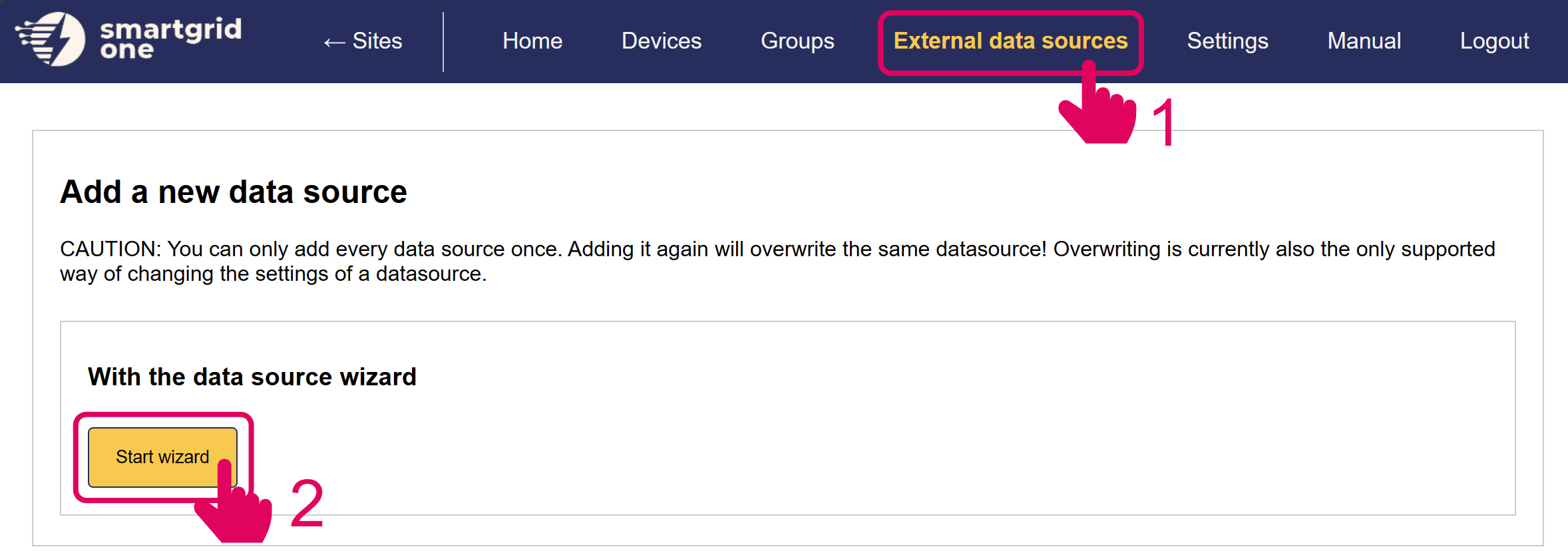
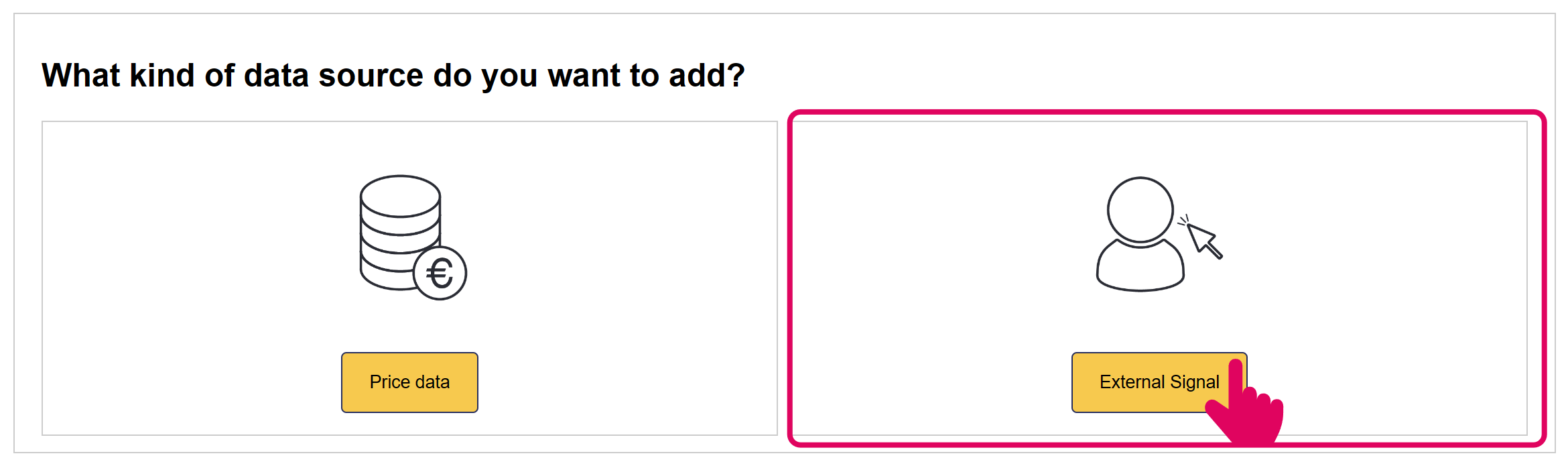

4. Enter the parameters
-
The URL and endpoint of the API
-
The bearer authorization token used for the API request. To prevent a compromised controller from being used to falsify data from other devices, we strongly recommend using unique tokens per controller and binding each token to a specific location in your implementation.
-
The frequency at which data is pushed (in seconds, default is 60s)
-
Select which data should be pushed:
- Device level data contains all the data fields specified below, per individual node connected to the SmartgridOne Controller.
- Device type level contains aggregated data on device type level (e.g. solar, storage, fixed)
After, select to include all devices.
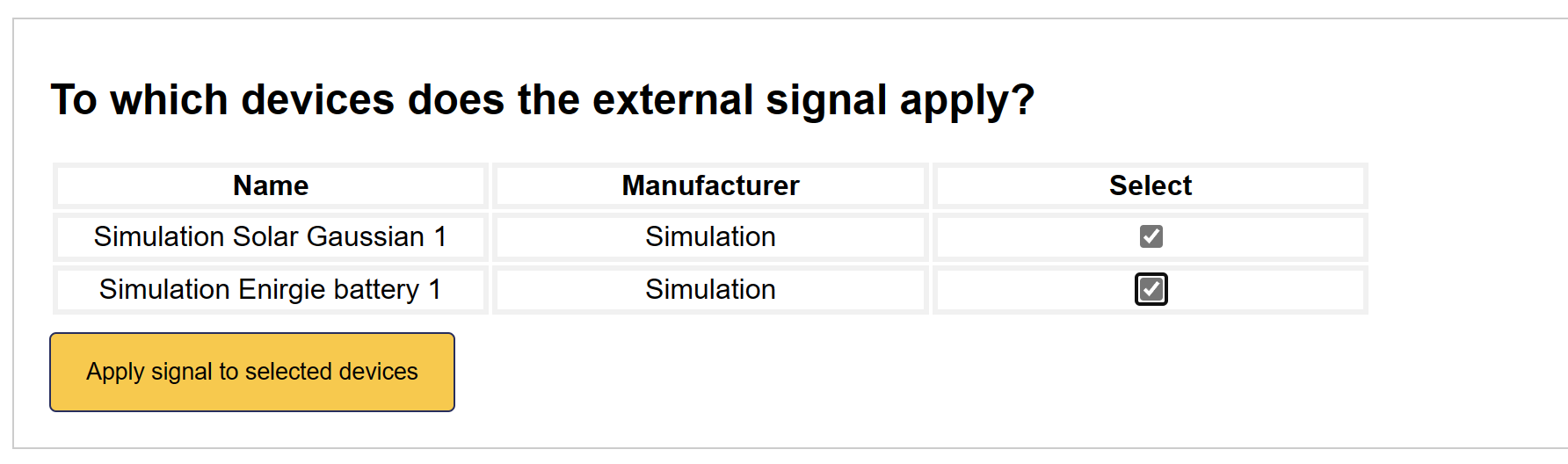
Endpoint Data
The endpoint should accept a HTTP POST request with the following data:
If the device type level has been selected:
{
    "time": "<Unix Timestamp>",
    "siteNodeId": "<Site NodeID>",
    "grid": "<Grid Fields>",
    "solar": "<Solar Fields>",
    "storage": "<Storage Fields>",
    "heat_pump": "<Heat Pump Fields>",
    "switched_load": "<Switched Load Fields>",
    "variable_power_load": "<Variable Power Load Fields>"
If the device level has been selected:
{
    "time": "<Unix Timestamp>",
    "siteNodeId": "<Site NodeID>",
    "nodeId1": "<Node Fields>",
    "nodeId2": "<Node Fields>",
    ...
}
More information about the individual fields can be found here: .